VIETNAMESE BEDROOM SET
As part of the project “Incredible Port”
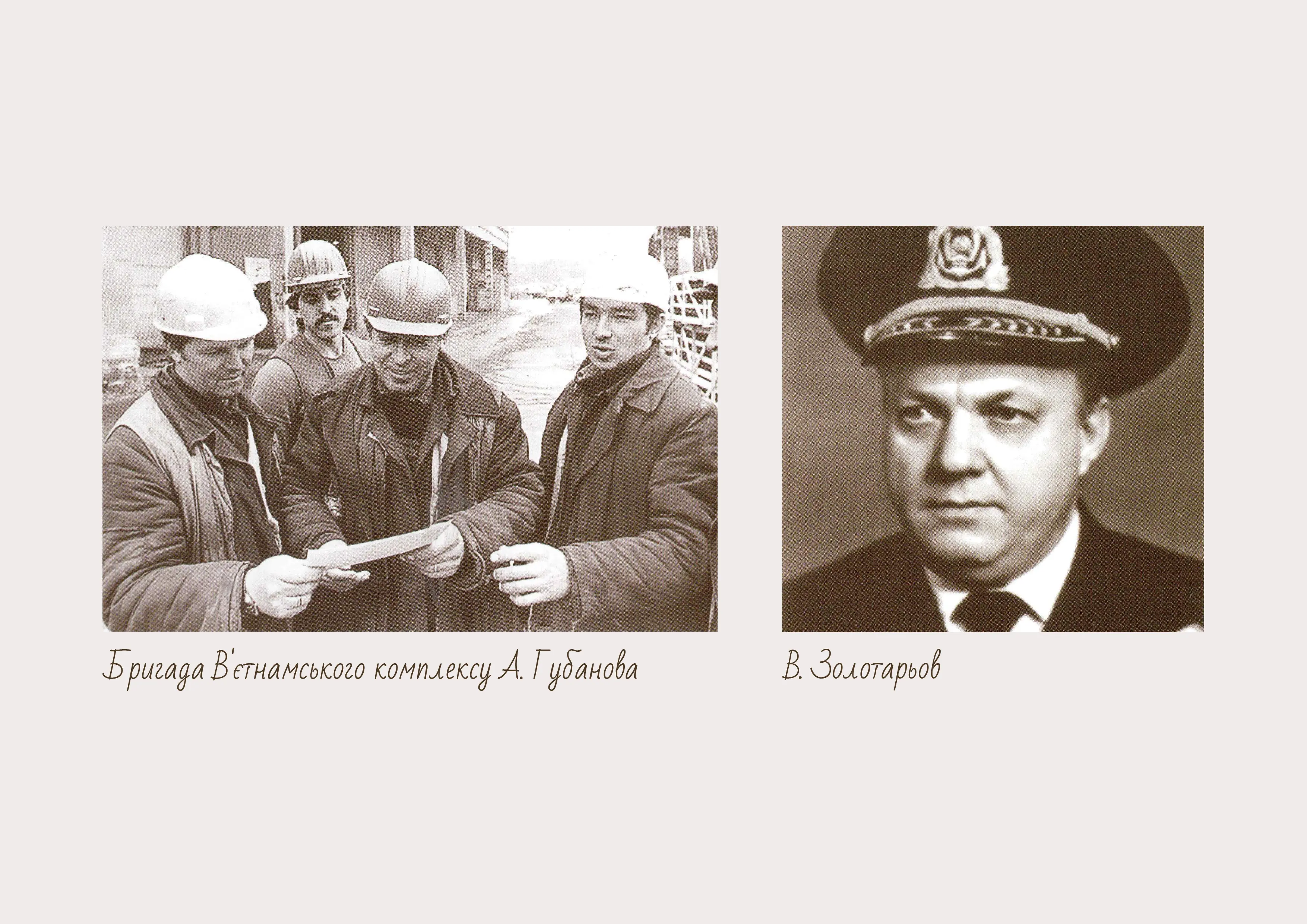
In 1980, the stevedore brigade leader Anatolii Hubanov returned from a business trip to Vietnam. During a period of widespread commodity shortages, every trip abroad stirred envy among colleagues. After all, each such journey offered the chance to bring back something imported — clothing, electronics, and so on.
- Tolia, so what did you bring back?, - they asked at the port.
- A Vietnamese bedroom set.
- What a surprise! But who allowed you to load such bulky things onto the ship?
I wouldn’t say they were bulky... A reed mat and a portrait of Ho Chi Minh* — that is the Vietnamese bedroom set...
In the 1970s and 1980s, ships of the Black Sea Shipping Company departed from the Port of Odesa every week, delivering technical and food aid to the young state of Vietnam. Factory equipment, tractors, fertilizers, cement, rolls of Finnish paper, and even items such as wristwatches and sewing needles were transported to the shores of this friendly country. To better organize the dispatch of these cargoes, Valentyn Zolotarov (Director of the Port of Odesa from 1980 to 1985) initiated the establishment of a specialized Vietnamese Complex on the Platonivskyi Mole.
On 1 April 1980, the complex began its operations. The team was given a task: to increase the intensity of cargo handling for the Vietnam route to 1,700 tons per vessel per day. Considering the extraordinarily wide range of cargo (sometimes 2–2.5 thousand bills of lading per vessel), achieving this goal was not easy. Only in 1984 did the complex reach the designated performance indicators. Success was made possible through staff training, the introduction of innovative handling technologies, and the creation of an automated system for the primary registration of cargo documents.
However, despite the progress achieved, the representative of the Ministry of the Merchant Marine in Vietnam regularly sent alarming letters to the Port of Odesa: “The cargo is poorly stowed, and local specialists cannot always process it without commercial damage…” Between the lines it was clear: Vietnam at that time simply lacked the necessary equipment, warehousing facilities, and conditions. As a result, expensive tractors, machinery, and even paper often rusted or decayed at makeshift port areas under tropical downpours.
To address the situation, experienced port workers from Odesa began to be regularly sent to Vietnam. Under the guise of “experience exchange,” they took control of the unloading process, organized a system of storage and accounting for cargo, and trained local dockers. The first to go on a week-long assignment was Anatolii Hubanov…
The Vietnamese Complex, based on the capacities of the Platonivskyi Mole, operated for more than 10 years. The material, technical, and methodological assistance that passed through its berths—combined with the remarkable diligence of the Vietnamese people—played a significant role in the country’s subsequent technological leap. By the early 2000s, no one referred to Vietnam as a third-world country anymore.
*Ho Chi Minh — the first President of the Democratic Republic of Vietnam