“CYCLONE” — A LEGEND OF THE ODESA PORT FLEET
As part of the project «Incredible Port»
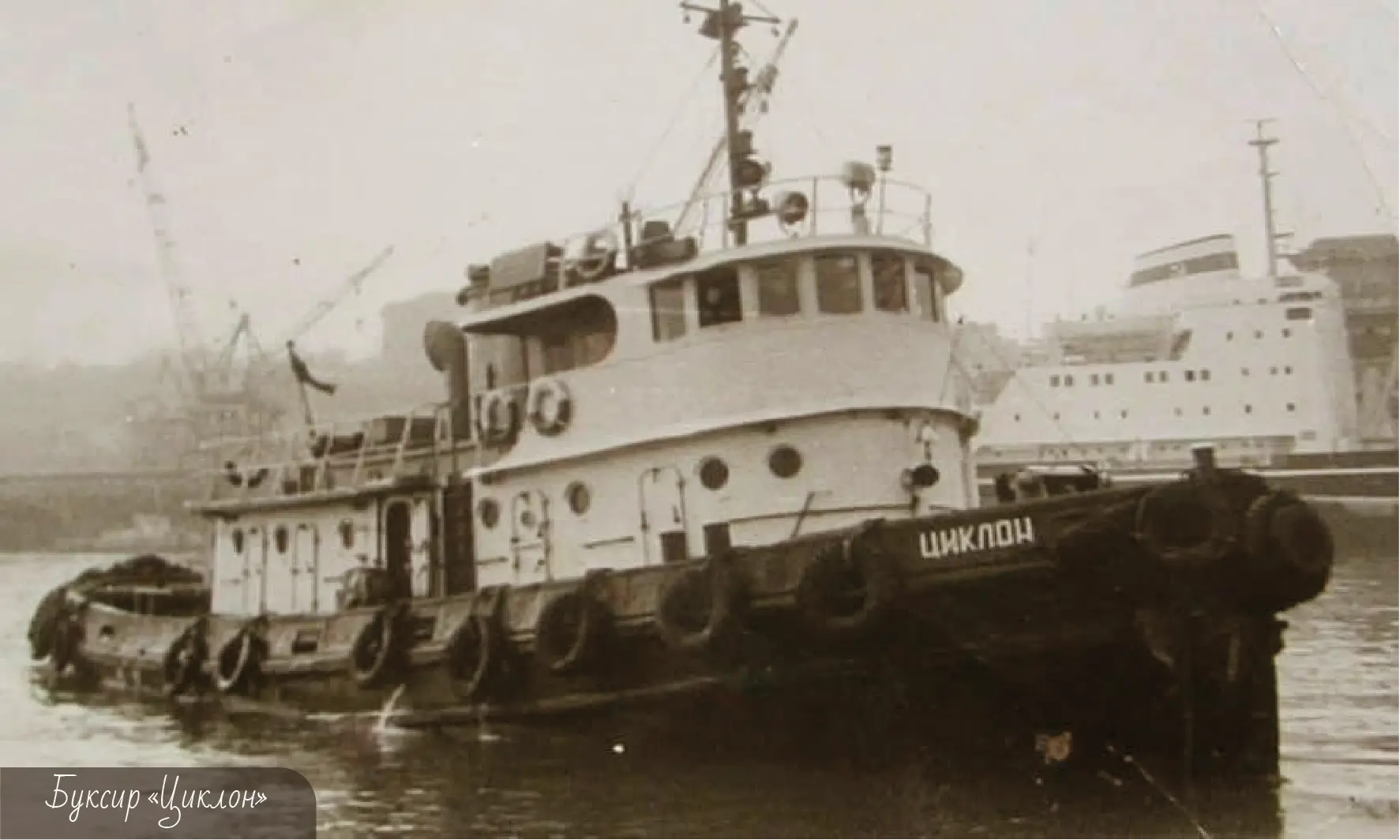
In 1947, leading newspapers across New York informed their readers about what seemed to be a minor event in the life of the vast metropolis: a crew of sailors has arrived in the city, which is supposed to drive a small — 26 meters long — port tug US Army ST490 to Odesa. The intrigue lay in the fact that the vessel was expected to cross the Atlantic under its own power. American papers noted that this was already the fourth attempt to deliver such a tug across the ocean, even though its designated operating area was “restricted to port basins and rivers.” The previous three attempts had ended with the loss of the vessels.
For most of its Atlantic crossing, the US Army ST490 was itself towed by the steamship General Chernyakhovsky. Around the clock, watch sailors stood at the stern of the ocean liner holding an axe, ready to cut the 500-meter Manila rope should the tightly sealed hull of the tug capsize or vanish beneath the waves.
And such moments came soon enough: early in the voyage, the caravan was caught in a powerful cyclone. For eight days the ocean raged with 8–9-force storms. At the crests of enormous waves, the tiny tug felt like a nutshell, repeatedly listing to dangerously high angles. But, by God’s grace, each time the situation stabilized just moments before the axe had to strike and sever the towline. The crew worked tirelessly, pumping water from the engine room, fighting desperately to keep the vessel afloat in suffocating, overheated compartments, moving through the tight spaces only via internal passageways…
The resilience of the crew and the remarkable ship-handling skills of Captain Porfiriy Biyul proved stronger than the fury of the Atlantic storm. The sailors were duly rewarded with “flash” reports from international telegraph agencies: for the first time in maritime history, a port tugboat with a deadweight of just 240 tons had crossed the ocean and five seas, covering 5,739 miles (from Gibraltar to Odesa, the vessel even sailed under its own power)!
Upon arrival at the Port of Odesa, the US Army ST490 received a new name - Cyclone - and immediately went on duty.
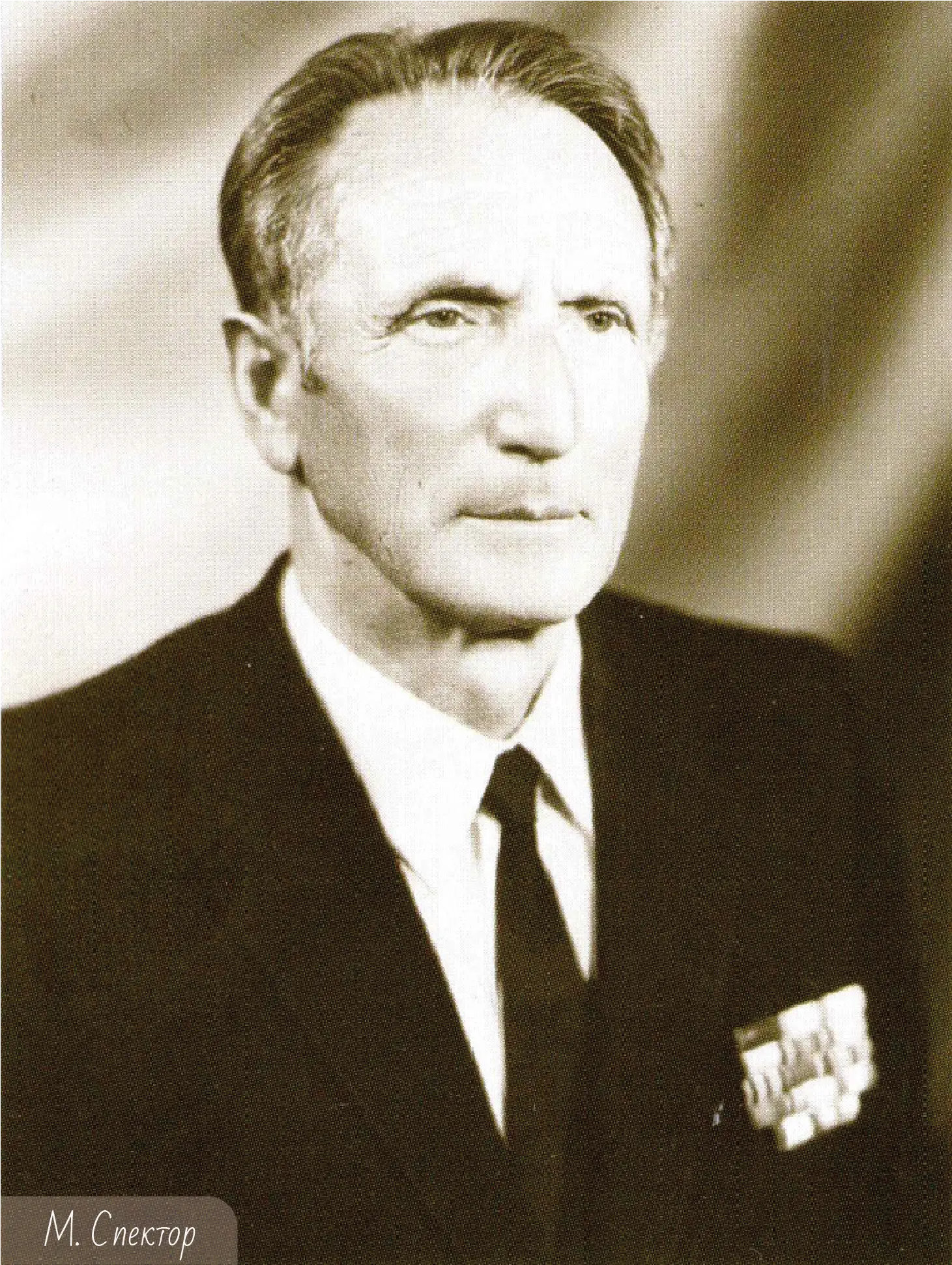
In 1952, frontline veteran Mykhailo Spektor was appointed captain of the tug. Mykhailo Samiylovych was a man of strong moral and ethical principles and exceptional organizational talent. Under his leadership, the Cyclone’s crew became the port fleet’s best for many years, consistently demonstrating outstanding performance. The captain had a personal rule: he encouraged his subordinates, especially the younger sailors, to pursue studies at universities and technical colleges. Graduates of Captain Spektor’s “floating university” were later assigned to strengthen the crews of other vessels in the port fleet, and many went on to build successful careers in international maritime navigation.
In its early decades of service in Odesa, the Cyclone mainly performed towing and shifting operations. As the port fleet gradually expanded with more powerful and maneuverable tugboats, the veteran steam vessel (equipped with a single 650-horsepower steam engine) was reassigned to tow non-self-propelled sand barges, deliver supplies to vessels at anchor, and operate as a service launch.
In 1981, the Cyclone gained fame far beyond Odesa once again - this time thanks to its appearance in the feature film Take Care of the Women, which was partly filmed in the port. As it later became clear, those scenes would become the swan song of this distinguished workhorse of the sea. In the winter of 1982, while carrying out a production task under severe weather conditions (hurricane-force winds and ice fields in the harbor), the Cyclone ruptured its hull plating and sank within two minutes. The old vessel was quickly raised to the surface. However, the question of repairing the Cyclone – which at that time belonged to Ship Repair Plant No. 1 remained unresolved for a long time…
Where and when the Cyclone’s story ultimately came to an end is still unknown. The Maritime Encyclopedia of Odesa states simply: “The date of decommissioning is not determined”. And so concludes the final, incredible chapter in the life of the little port tug. It passed into Eternity as a true Flying Dutchman…